Key Takeaways
- Building independent living skills boosts confidence and helps you live life on your terms.
- Start with small tasks, use visual aids, and create routines to make the process easier.
- Programs like the NDIS offer valuable support to help develop these essential skills.
Beyond ticking off to-do lists and finishing chores, gaining independent living skills is about having the confidence to live on your own terms.
This is especially true for individuals with unique abilities, who often face extra challenges.
So why are independent living skills a big deal? Imagine being able to cook your favourite meal, manage your own finances, or keep your living space just the way you like it.
These aren’t just tasks.
They’re steps towards a more independent and fulfilling life.
But where do you start?
There are practical and approachable strategies that can make this process smoother and even enjoyable.
To add, there are also programs like the National Disability Insurance Scheme (NDIS) that can provide helpful disability services if you’re in Australia. The NDIS offers resources and assistance to people with disabilities, helping them develop these essential skills.
This blog post explores five effective strategies for developing independent living skills. These tips are designed to be adaptable and easy to incorporate into your daily life.
1 – break down tasks
Let’s kick things off with a simple yet powerful strategy: starting small.
When it comes to developing independent living skills, biting off more than you can chew can lead to frustration and burnout.
Instead, focus on small, manageable tasks that you can easily incorporate into your daily routine.
Each small task you master adds to your foundation of skills and boosts your confidence. Plus, who doesn’t love the feeling of checking something off their to-do list?
Breaking tasks down into bite-sized pieces makes them less daunting and more achievable.
It’s like looking at a giant pizza—if you try to eat it all at once, it’s overwhelming. But slice by slice, it becomes manageable (and enjoyable).
Practical examples of small steps
Here are some small tasks you can start with. These examples can easily be adjusted based on individual needs and preferences:
- Morning Routine
Start with making your bed each morning. It’s a small task that sets a positive tone for the day. - Meal Preparation
Begin by preparing simple meals. Start with breakfast—scrambled eggs or a smoothie are great options. - Budgeting
Track daily expenses. Use a notebook or a budgeting app to note down every dollar spent. This helps in managing finances without the need for complex accounting skills. - Household Chores
Pick one chore a day. Monday can be for laundry, Tuesday for vacuuming, and so on. - Personal Care
Establish a grooming routine. This could be as simple as brushing your teeth twice a day and taking a shower regularly.
By focusing on these small steps, you can gradually build up to more complex tasks.
The key is to be consistent about it. Keep adding new tasks as you get comfortable with the ones you’ve mastered.
Before you know it, you’ll have a solid foundation of independent living skills.
2 – use visual aids and tools
Visual aids can be incredibly effective for learning and remembering tasks. They provide clear, easy-to-follow instructions and can serve as constant reminders throughout the day.
These aids work wonders because they make abstract tasks tangible. Instead of trying to remember a list of chores or steps, you can see them laid out in front of you.
By doing so, you reduce the cognitive load and make it easier to focus on one thing at a time.
Plus, visual tools can be customised to fit individual preferences and needs. This makes them versatile and user-friendly.
Recommended tools and resources
Here are some effective visual aids and tools that can help simplify daily tasks and boost independence:
- Picture Charts
Create a chart with pictures for each task. For example, a morning routine chart might include images of a bed, toothbrush, and breakfast. This makes the sequence of activities clear and easy to follow. - Checklists
Use checklists for daily tasks. Apps like Google Keep or Any.do allow you to create digital checklists that you can check off as you go. - Step-by-Step Guides
Develop guides with pictures and short descriptions for tasks like cooking or cleaning. Websites like Pinterest have plenty of printable templates you can use. - Visual Timers
Tools like Time Timer show the passage of time visually, helping with time management and staying on track with tasks. - Apps
Apps like Tiimo and Visual Schedule Planner are designed to help organise tasks visually and can be customised to fit personal needs.
For those supported by the NDIS, there are additional resources available. Many NDIS providers offer visual aids and tools as part of their support packages.
3 – create a routine
This is a great way to provide structure, reduce anxiety, and make it easier to manage daily tasks.
Routines work because they turn repeated actions into habits. When something becomes a habit, it requires less mental effort and becomes almost automatic.
This frees up mental energy for other activities and makes the day run more smoothly. Plus, having a predictable schedule can be incredibly reassuring.
Tips for establishing a routine
Here are some practical tips to help establish and maintain a routine:
- Set Reminders
Use alarms or smartphone notifications to remind you of tasks. Apps like Google Calendar can be very useful. - Be Consistent
Try to stick to the routine as closely as possible, even on weekends. Consistency helps reinforce the habits. - Involve Others
If you have support workers or family members, involve them in the routine. They can provide reminders and encouragement. - Reward Yourself
Celebrate small successes. Rewards can be simple, like a favourite snack or a few minutes of relaxation.
4 – interact with others
Social skills are important parts of living independently and can greatly improve overall well-being.
Engaging with others helps build communication skills, creates a sense of community, and can even improve mental health.
Social interactions can also provide support, offer new perspectives, and create opportunities for learning and growth.
For individuals with unique needs, social interactions can sometimes be challenging. That’s why it’s important to create opportunities for meaningful connections.
Ways to foster social engagement
Here are some practical ways to encourage social interactions:
- Join Clubs or Groups
Find local clubs or groups that align with your interests. Whether it’s a book club, a sports team, or a hobby group, these settings provide great opportunities to meet new people. - Community Events
Participate in community events like fairs, festivals, or workshops. These events are often inclusive and can be a lot of fun. - Volunteer
Volunteering is a fantastic way to meet people while giving back to the community. Look for opportunities that match your skills and interests. - Social Media and Online Communities
Join online groups or forums related to your interests. This can be especially helpful for those who may find face-to-face interactions challenging. - NDIS Supported Programs
Many NDIS providers offer social programs and activities designed to foster connections among participants. Check with your provider to see what’s available.
5 – celebrate progress and milestones
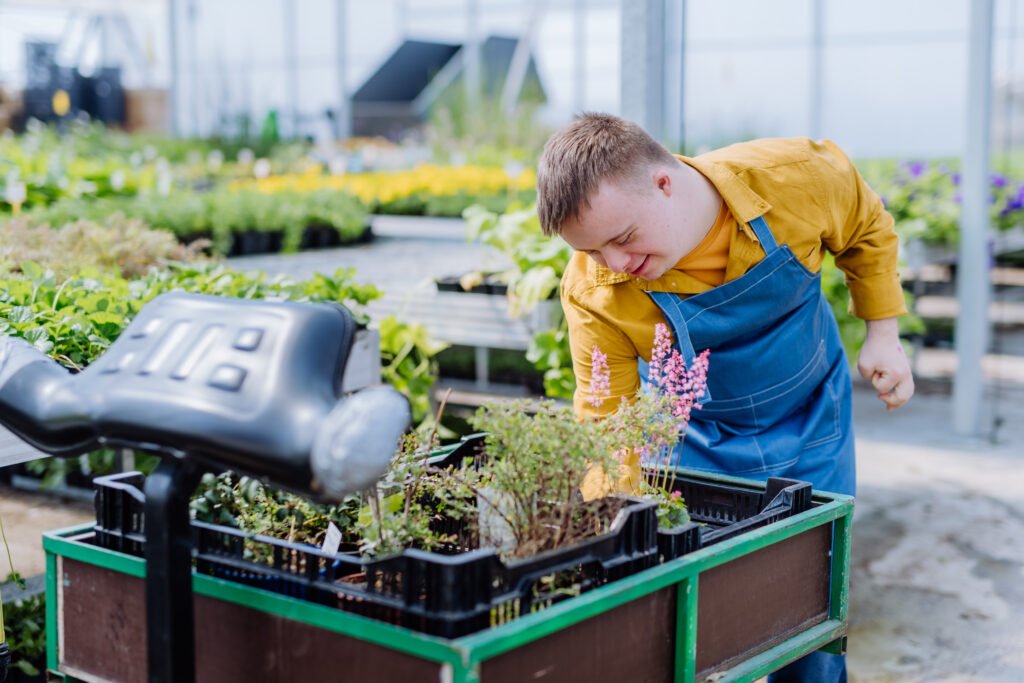
Recognizing and celebrating achievements, no matter how small, is a great way to stay motivated.
It boosts morale and reinforces positive behaviour. In addition, it also and makes the journey towards independence more enjoyable.
Every milestone, whether it’s completing a task independently for the first time or sticking to a routine for a week, deserves recognition.
This positive reinforcement helps build self-esteem and encourages continued effort and improvement.
Creative ways to celebrate
Here are some fun and meaningful ways to celebrate progress and milestones:
- Reward Systems
Set up a reward system where small achievements earn points that can be redeemed for a favourite treat or activity. This can be a fun and tangible way to acknowledge progress. - Celebrate Together
Involve family, friends, or support workers in the celebrations. Whether it’s a small gathering, a special meal, or a fun outing, sharing the joy with others can make it even more special. - Personalized Celebrations
Tailor the celebrations to the individual’s preferences. If they love movies, a movie night could be a great reward. If they enjoy nature, a picnic in the park might be perfect. - Milestone Markers
Use visual markers to track progress. This could be a chart with stickers for each completed task or a journal where achievements are recorded. Seeing the progress visually can be very satisfying. - Verbal Praise
Never underestimate the power of a simple “Well done!” or “I’m proud of you.” Verbal praise can provide immediate and impactful reinforcement.
Enjoy living life on your terms
Developing independent living skills is a journey that’s best taken with a supportive environment. Whether it’s family, friends, or programs like the NDIS, having a strong support network can make all the difference.
Remember, you’re not alone in this process. There are resources and supporters ready to help you along the way.
Remember, the NDIS offers various forms of support to help you on this journey. From customised programs to one-on-one assistance, these resources are there to guide you and provide the tools you need to succeed.
Ultimately, this journey is deeply personal. Take these strategies, apply them in your daily life, and enjoy the process of becoming more independent.